
There is no panacea for eating disorders; you can’t take a magic pill and make the disorders go away. Instead, the treatment is a challenging process which involves interrupting deep seated behaviours. Often times, patients are intimidated by the level of commitment and patience required to cure their disorder.
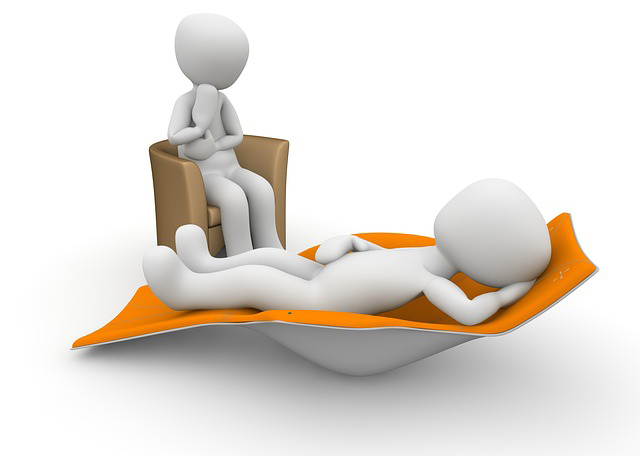
Therapy is an important part of the treatment for eating disorders. Image courtesy of Pixabay
To improve the prospect of recovery, treatments also require the participation of family and friends, since emotional and social support are critical component of therapies for mental health disorders. Without these safety nets, some patients abandon their treatment and eventually experience a relapse. Additionally, early intervention offers the best hope for a complete recovery, while minimising the risk of long-term bodily damage.
Treatments are tailored for each individual. However, there are four main elements of a conventional treatment. They are, namely:
(i) Nutrition education A doctor or dietitian is assigned to the patient to teach them about the basics of food nutrition. The patient are then taught the role that various vitamins and minerals play in a properly functioning human body. Thereafter, they are taught how to plan a meal and establish regular eating schedule. Strict adherence to the meal plan will help patients to quickly return to their optimal or desired weight.
(ii) Medication While there is no medication to cure eating disorders, there are plenty of medications available to treat injured throats, mental health issues such as anxiety or depression, and stomach ulcers, among others. In addition, vitamins may also be prescribed for the short term to help in the body’s recovery process.
(iii) Therapy A vital element of the treatment is therapy with a psychiatrist or mental health professional. Unless the emotional and psychological issues are addressed, patients will likely relapse. In recent years, cognitive behavioural therapy has become the go-to option for psychiatrists as the therapy can help to make quick and permanent behavioural modifications.
(iv) Family education The ensure the patient’s family understand what they are going through, as well as the severity of the disorder, doctors also make it a point to educate the family on the causes, symptoms and effects of the disease. They are also briefed on the treatment plan to ensure patients receive complete support from everyone in their family and social circle. The participation of family in the treatment process also reduces the chances of a relapse. In some cases, family members also attend therapies to help them overcome the trauma that the disorder caused on their family.